- Shikoku 88 Day 16
- 24.74km cycled with 475m of elevation gain, plus 4km hiked with 245m of elevation gain.
- 45 temples of 88 in total!
Brrr… it was chilly this morning and a bit windy. I was really glad I hadn’t done away with more of my warm clothes, when it had been so hot at the start of the trip. Up here at 600m in winter they can get about 40cm of snow settling in the township, and there are even a couple of small ski areas nearby. I’d had no idea there was skiing in Shikoku!
We gathered in the tatami room at 6:30am for what our host had described yesterday as “simple toast and coffee” to find yet again an amazing spread. There was soup, thick Japanese toast with 5 different homemade spreads, an omelette, a banana, yoghurt, and a mini salad. Delicious! This morning Japanese grandpa was checking out and heading towards Matsuyama, while Shinobu-san and Ashita-san were visiting Temple 43 and 44 like me but staying in a different place tonight.
The topic of population decline came up as we heard how just a month ago the bus routes around here had been cancelled. They used to make day trips possible for pilgrims or help those who didn’t want to walk every step. I wondered what it would mean for the future of Kumakogen and mentioned being surprised to see so many abandoned houses on Shikoku. I was shocked to hear Shinobu-san describe it as not as bad as the island of Kyushu where she lives. I explained that while New Zealand’s population is also declining, there aren’t really so many visible signs other than small rural towns becoming quieter. There seem to be no real answers in Japan.
Another recurring conversation theme in my trip so far had been how the culturally important and beloved seasons of spring and autumn were disappearing, and it was beginning to seem like Japan would be left with only two seasons. Shinobu-san said that Japan was slowly getting around to addressing climate change but was “many years too late”. They described how in many places it’s become pretty much impossible to go outside in the blistering summer months, and said it was like a summer version of the countries where snow traps people inside their houses. It’s been sobering to hear people talk about climate change here so frequently and describe contexts that differ from the extreme weather events or melting glaciers of New Zealand.
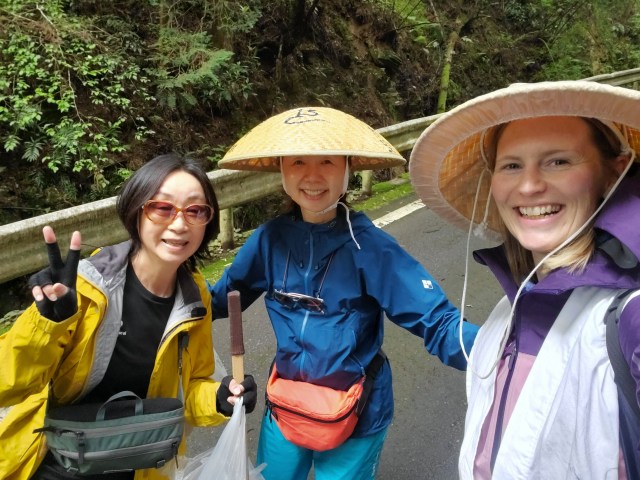
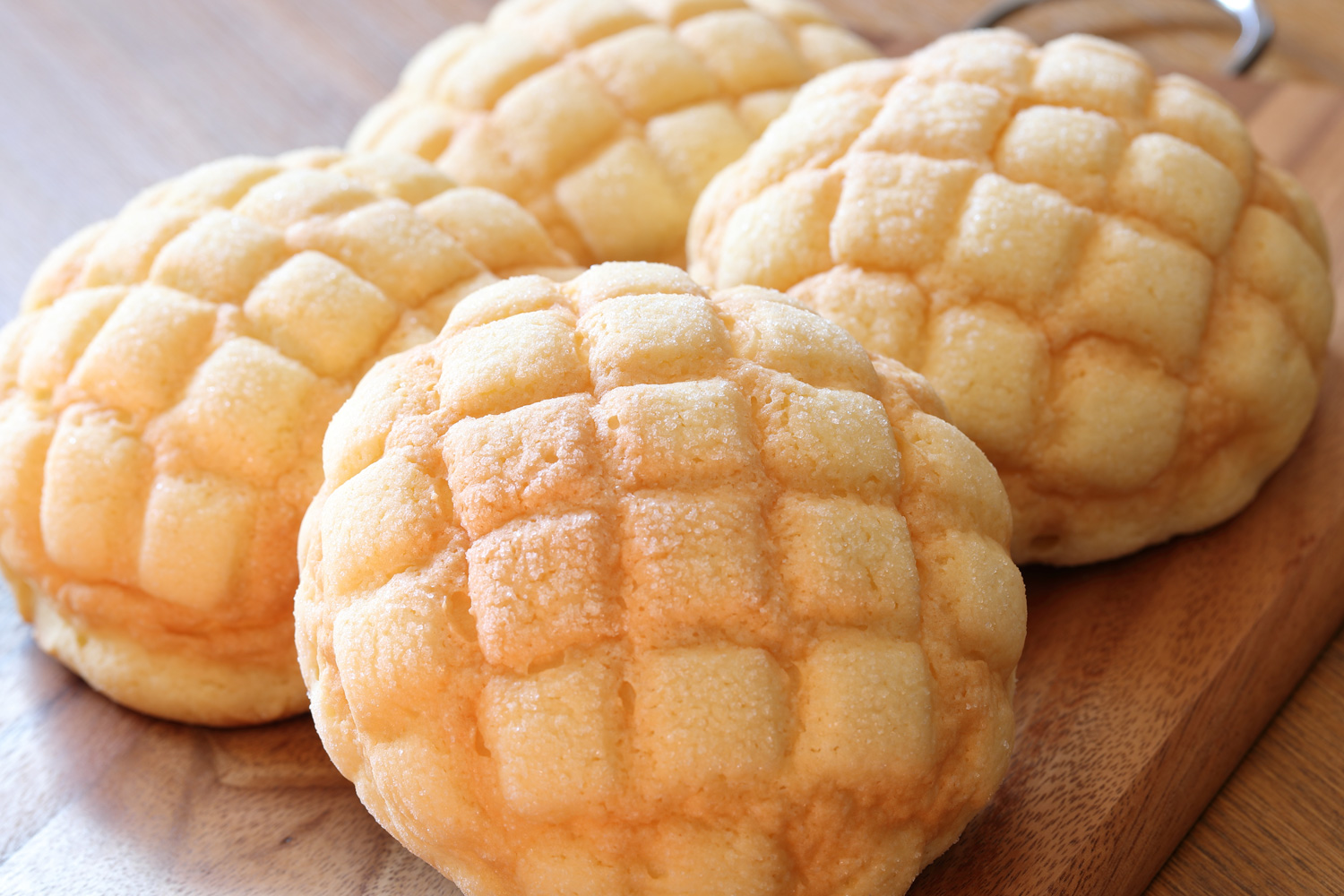
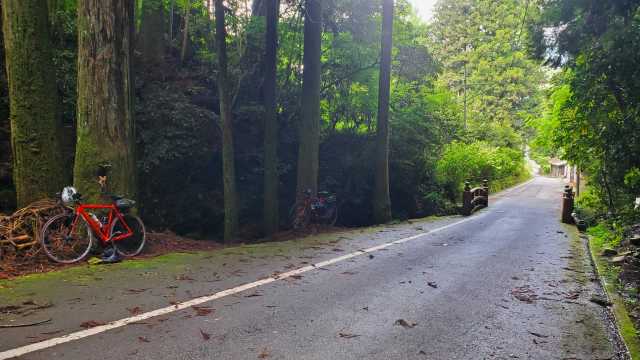
Family Mart or FamiMa (I’ve been updating my Japanese slang slowly..) had a great range of onigiri this morning making for a tough choice, but two plus a melon pan seemed enough for a short day. The 44th temple Daihōji 大宝寺 was just a few kilometres away, and on the way I ran into my accommodation friends a couple of times, easily spotted in their bright rainwear. Big Red had more company at the informal bike tree parking lot.
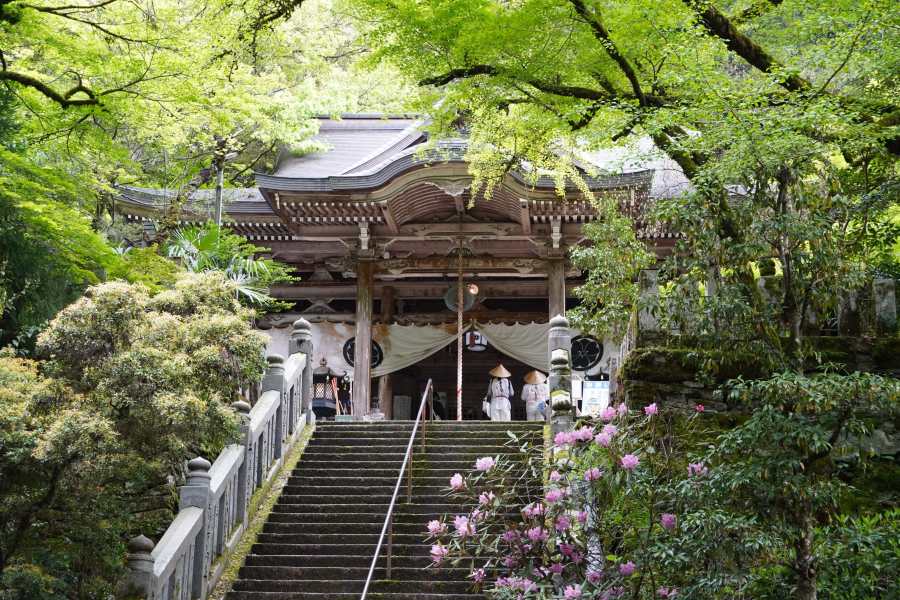
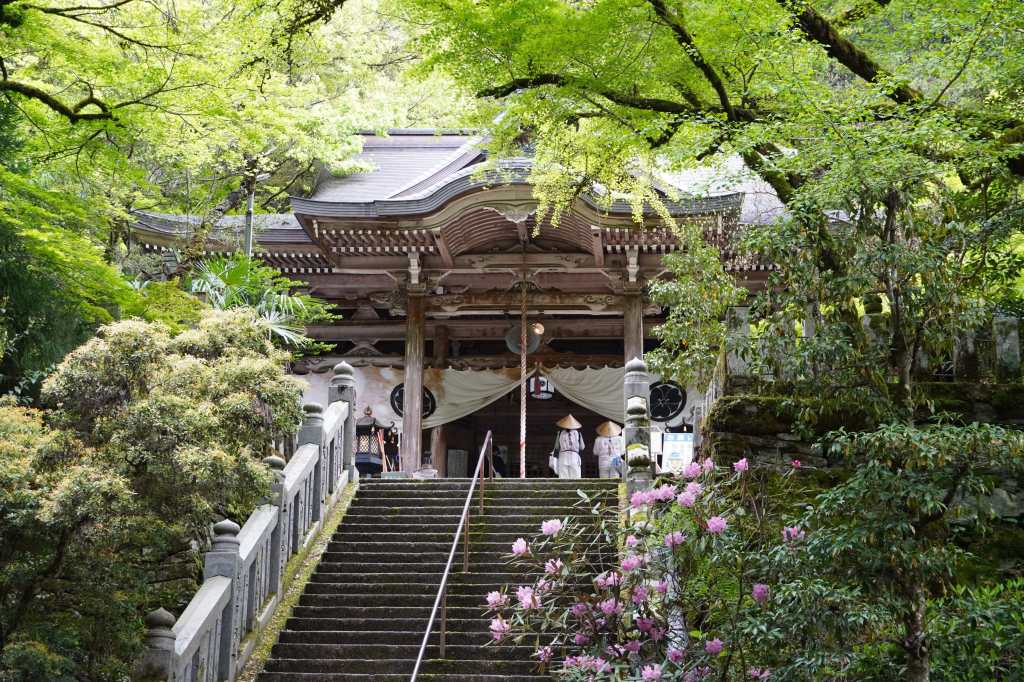
The dappled morning light was beautiful, and as a little stream burbled away I made my way up the short zig zag path lined by tall old cypress trees up to the main gate. There were quite a few other pilgrims about in white vests adding to the picturesque scene, and everyone seemed in a cheerful mood.
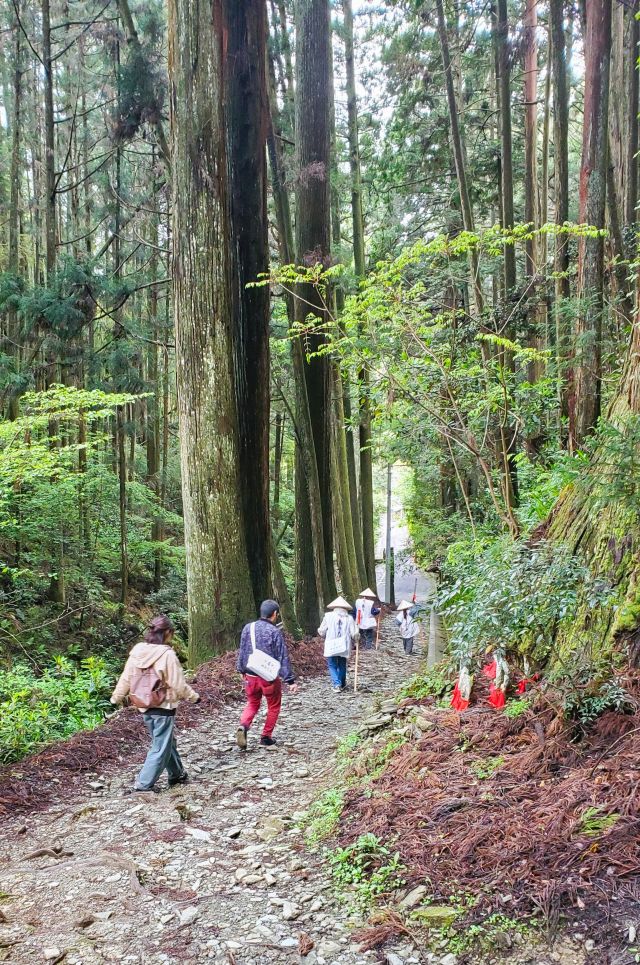
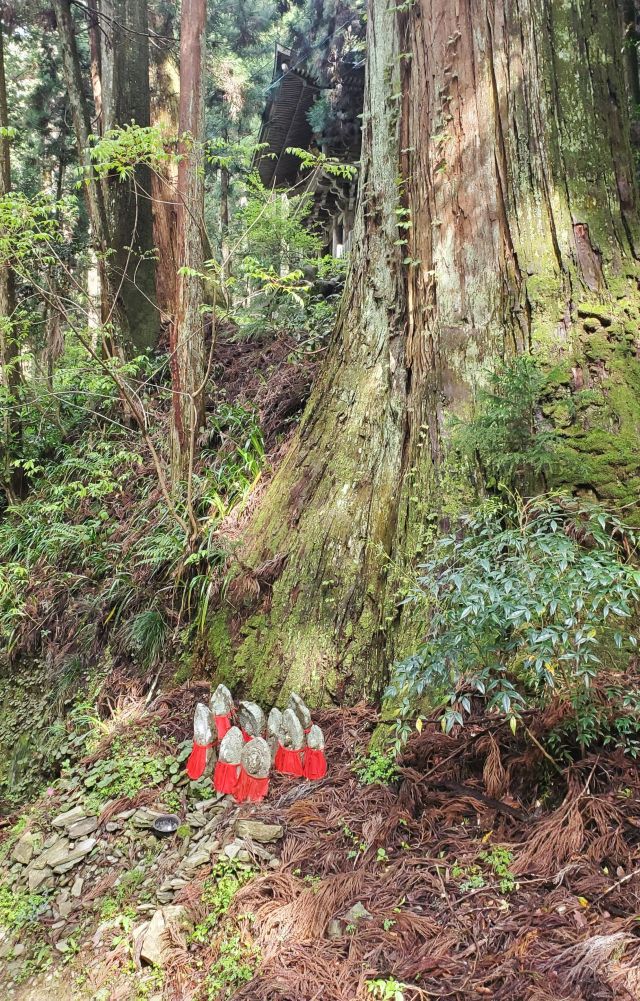
I felt a sense of peace, happy and proud to be halfway through my pilgrimage in terms of temple numbers, but a little sad too as I felt the days ticking down. I realised halfway through my visit here that I’d put the incense and candles in the wrong place — 44 temples in and it still keeps you humble!
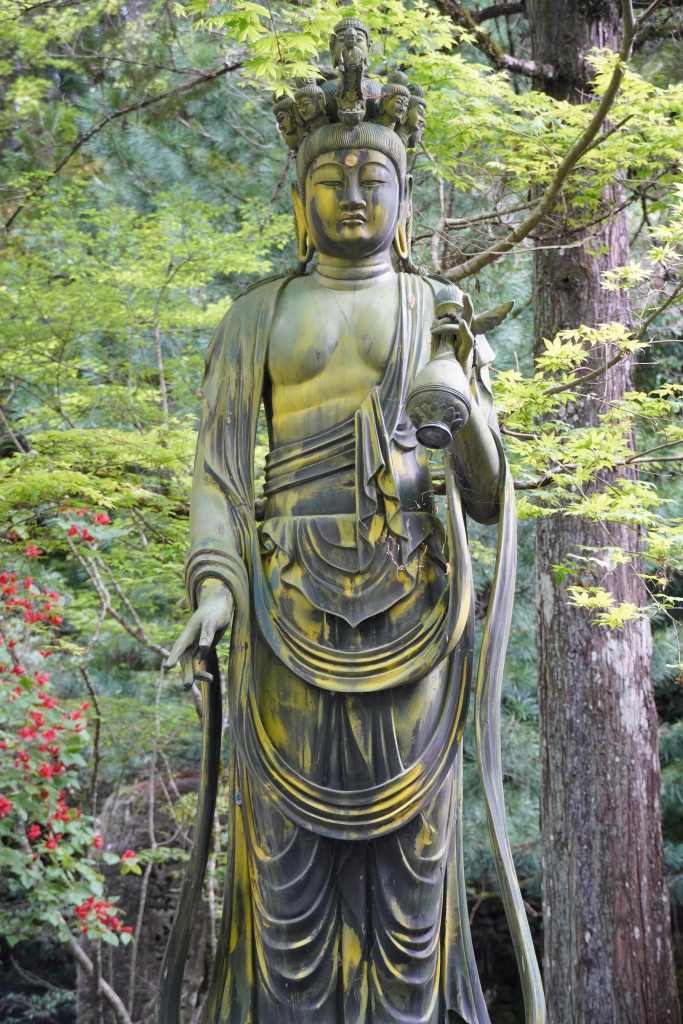
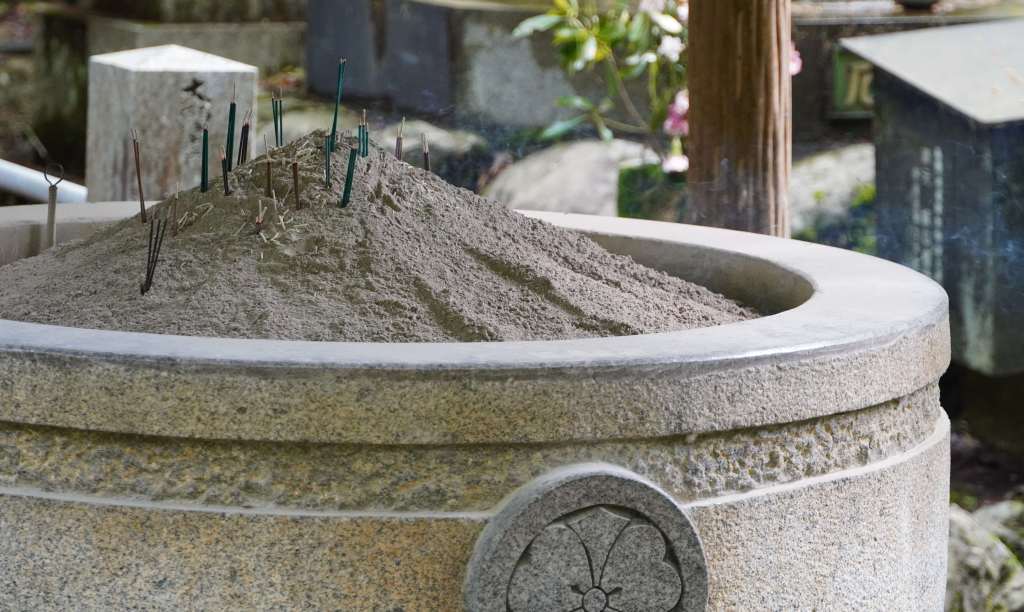
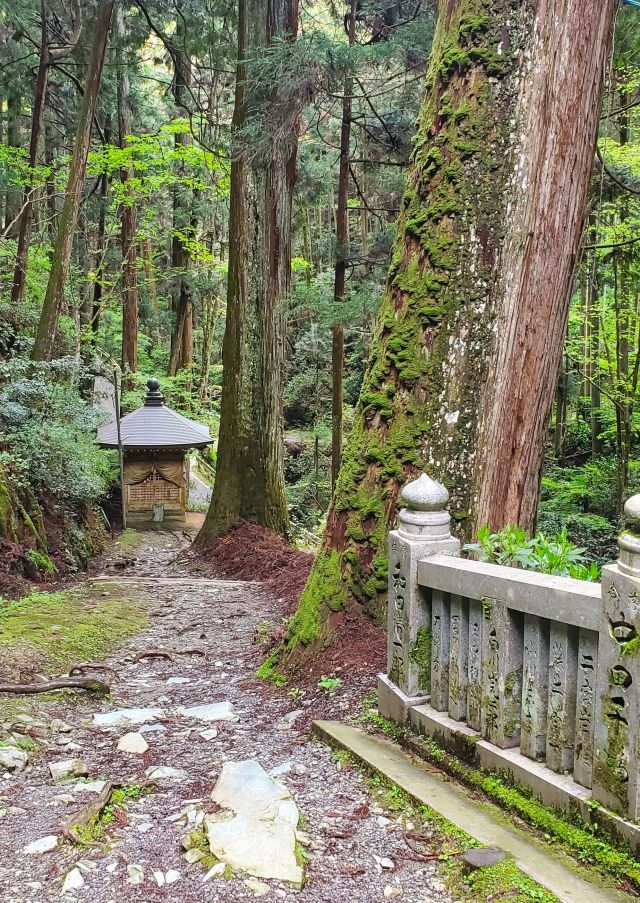
It was time for the much-discussed dodgy tunnel next, and I pulled over just before it to turn my lights on and get my new reflector tasuki sash too. A grandpa pulled over in his little truck and I thought he was going to suggest I put my bike on the back because the tunnel was too dangerous. Wrong – he asked if I was doing the whole pilgrimage and then produced an apple and cream filled bun with a grin for me. I rode through the tunnel smiling, and found it fine.
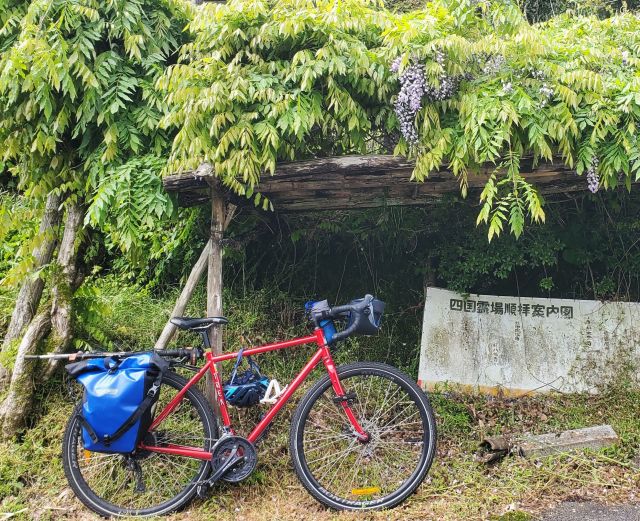
It was just 11km to the carpark for Iwayaji Temple 岩屋寺 on undulating roads with hardly any traffic. The concreted pathway zigzagged steeply up towards the temple near the top of the mountain, with plenty of souvenir shops placed well to tempt those catching their breath! Lots of visitors were coming and going and I got the feeling this is one of the more popular tourist destination type temples.
Slowly the cliffs came into view – Iwa (岩) means rock/boulder/crag/cliff and the kanji character is a combination of individual characters of mountain in the top part, and stone underneath. The temple buildings almost seem to come out of the rock with the way they’ve been built.
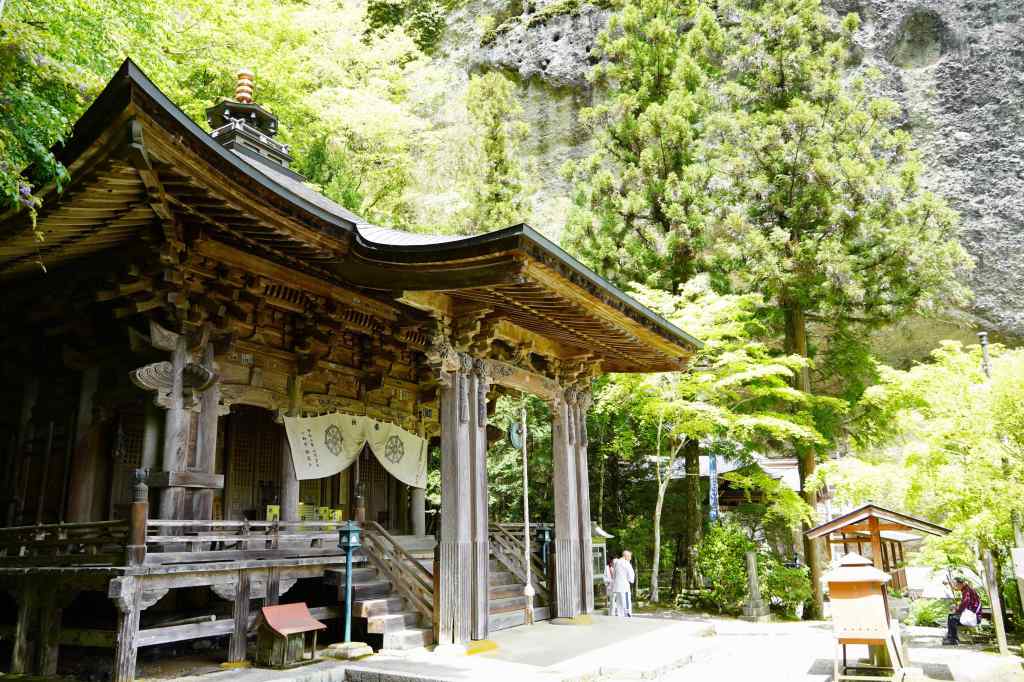
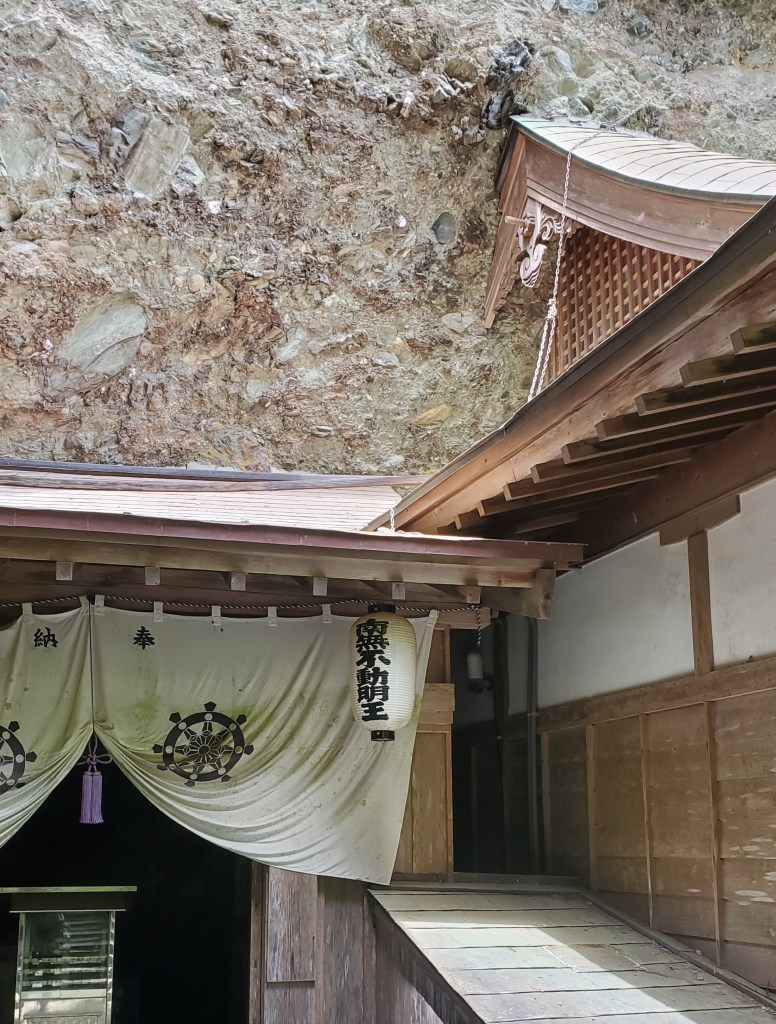
I’d heard about a few of the unique experiences here at dinner last night, and immediately recognised the ladder behind the hondo which leads up to a small cave in the cliffs. Monks used these caves for ascetic training long ago. I watched two young Japanese guys approach the ladder and then abruptly change their minds about climbing up. We laughed together and I joked there was no way travel insurance would cover this. They worked out it must be about ten metres high! Where was my climbing harness and safety lanyard when I needed it…!?
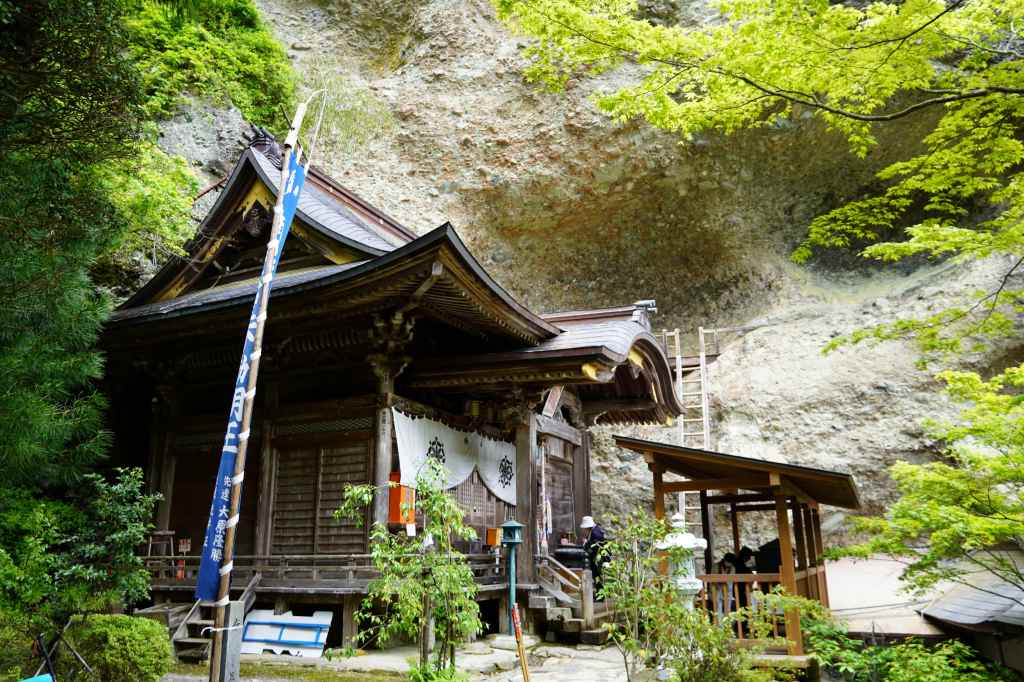
Maybe I could try the meditation cave, I thought heading into the dark passageway that led ten metres underground without any lighting. While initially there was a handrail, it disappeared a few metres in and the rocky, uneven ground seemed like an invitation to trip over. Nope, this experience wasn’t for me either I decided backing out.
I wandered up behind the main buildings towards the Deva gate, where pilgrims who have walked the mountain route from the previous temple enter Iwayaji. As I was taking photos and exploring a little further up the trail, a Japanese man came and told me how amazing the path above was and said I should definitely go to visit the Okunoin (the Inner Shrine). It would only take ten minutes he reckoned and no it wasn’t too challenging.
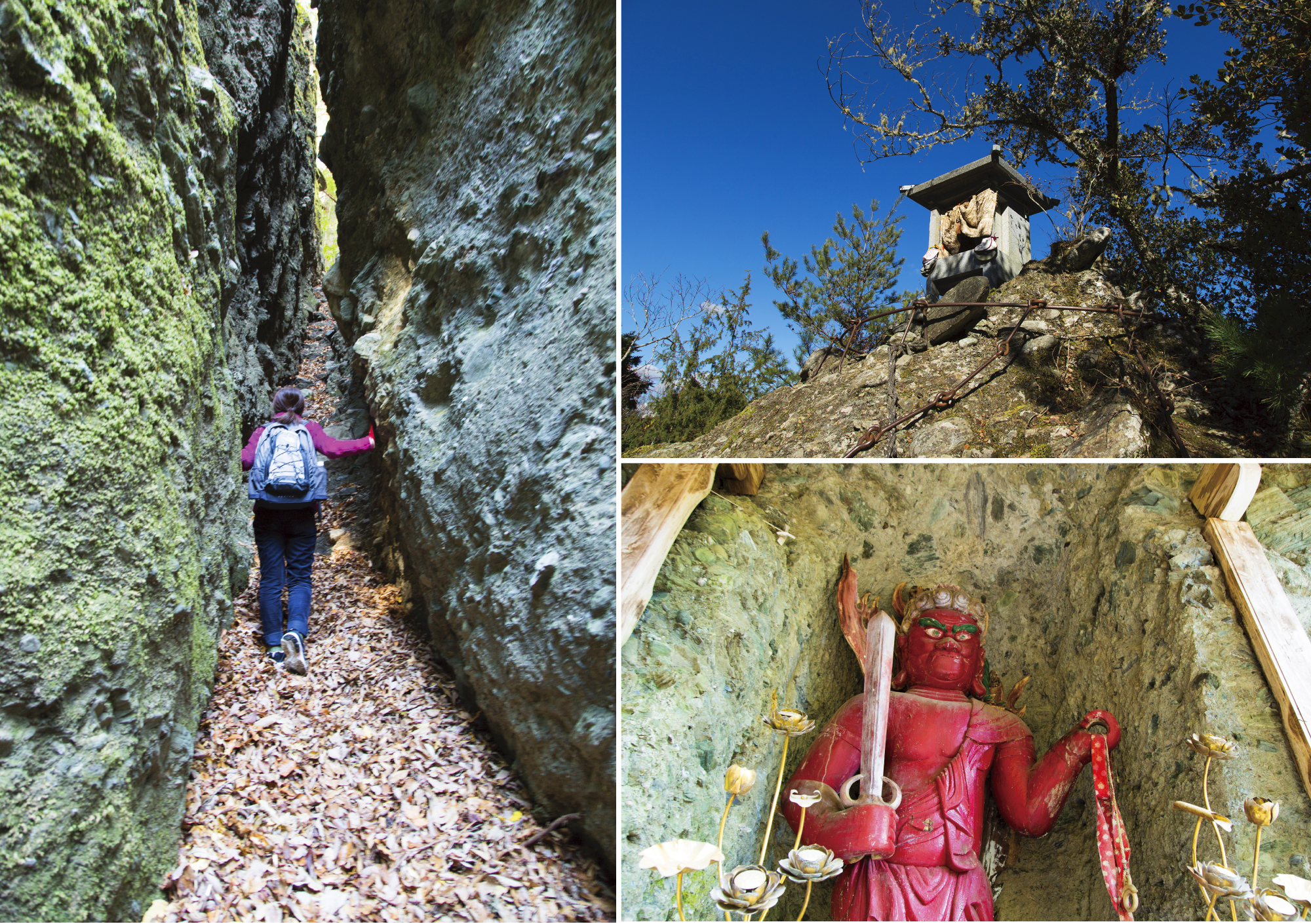
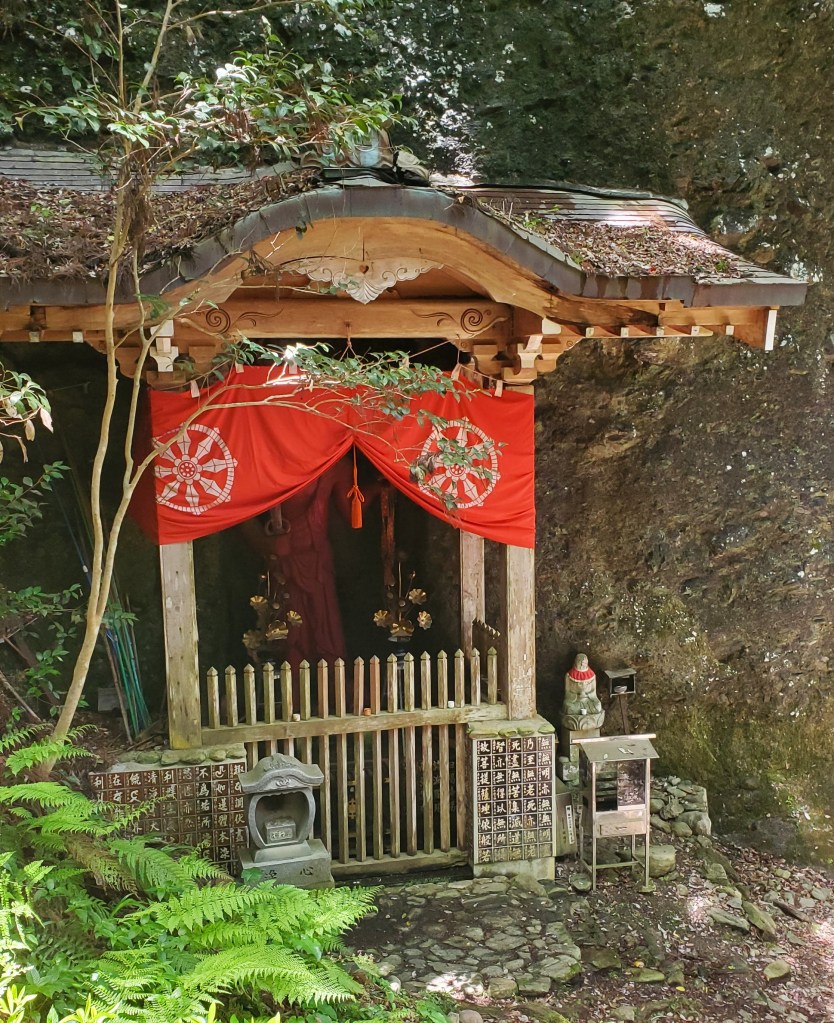
This was the third experience, and I’m not exactly sure what made me suddenly think it was a good idea! Trying not to overthink it, I went back down to the office to get the key. I learnt you also had to leave your details, and return within two hours. They also handed me the 36 coloured votive papers to leave at each small Buddhist statue along the ascetic training path that leads to the Inner Shrine.
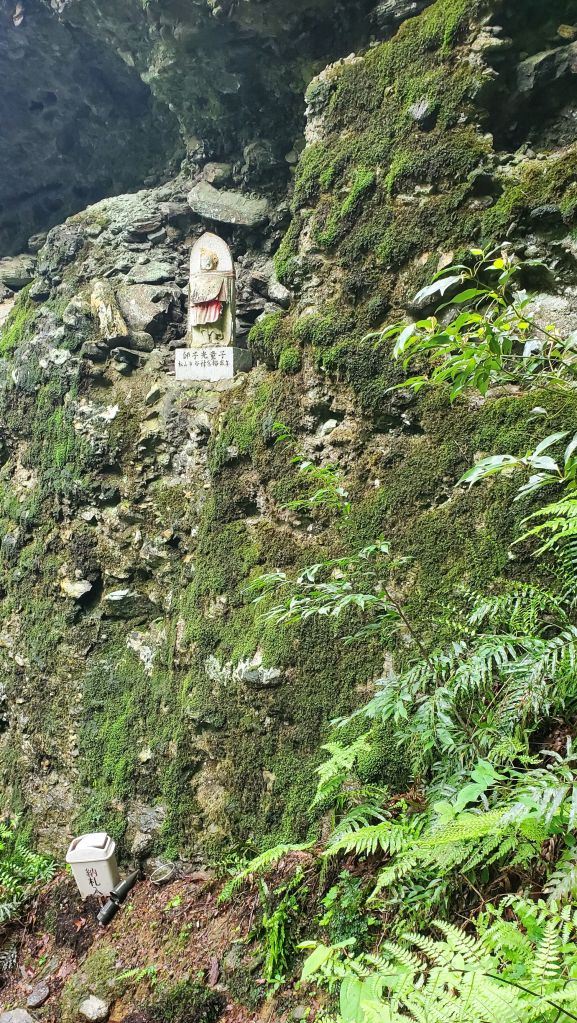
I set off a little nervously, feeling like I didn’t quite know what I was doing with these papers but diligently trying my best and posting them in the little plastic bins below each statue. The path through the forest was stunning though, and reminded me of walking in the bush at home. It was rooty and rocky, but only towards the top were some challenging steep, slippery parts with a rope handrail. After about thirty minutes I was there – I could see Seriwari-zenjo, the narrow path beyond the locked gates.
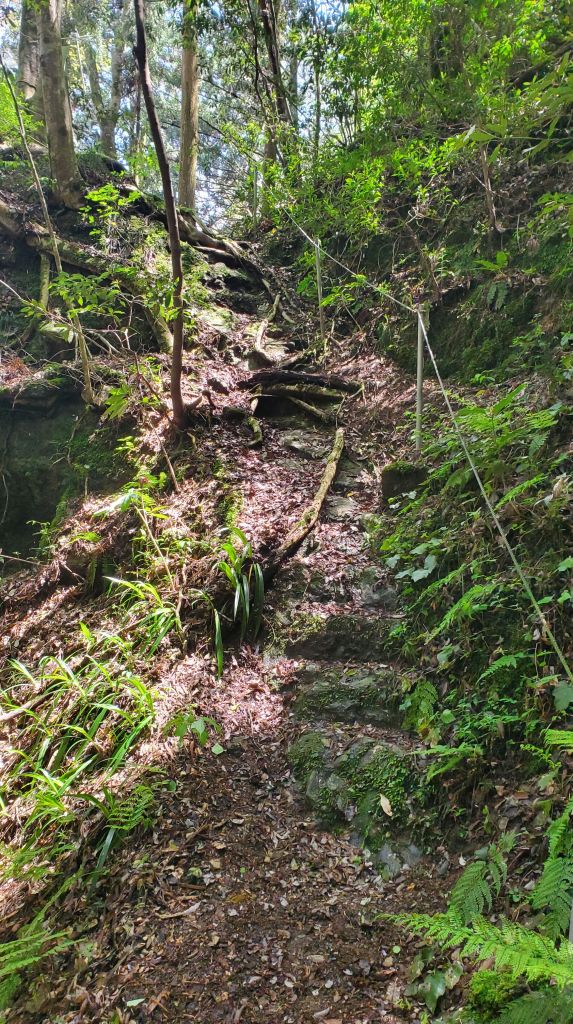
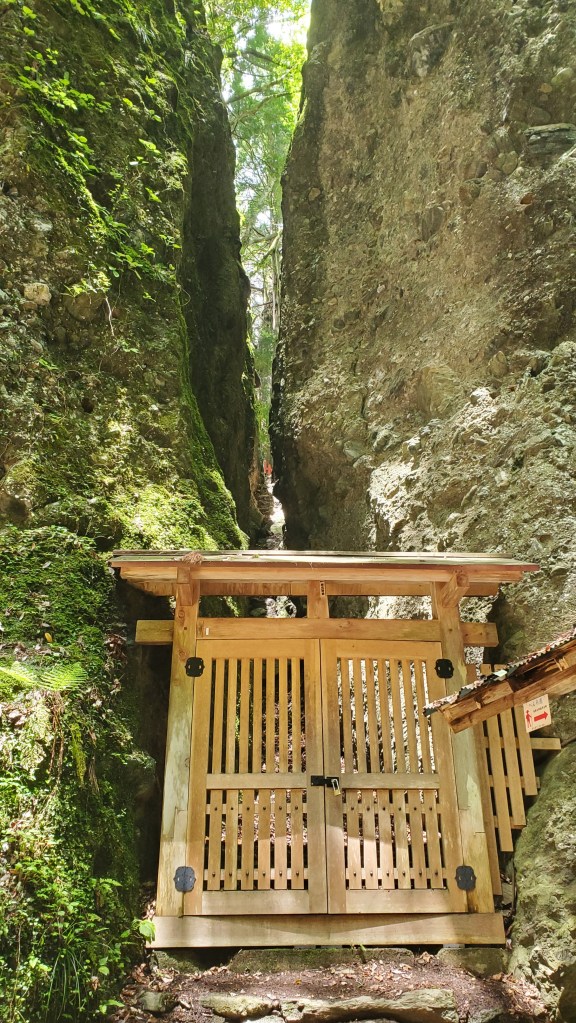
Leaflitter was stacked up on the other side, making it seem like not many people ventured up. I ventured up the steep crevice a little, but in the end decided I’d had a wonderful walk and didn’t need to push it and risk an injury here. Apparently the final stage is using chains and a ladder to get up on the summit of Kaiganzan. I think I made the right choice judging from this video. Perhaps next time!
My quads were quivering by the time I’d made it back to the temple to return the key, then all the way down to the car park. It was touch and go, but I managed to convince myself I didn’t need a discounted $5 ‘2025 Ehime Marathon Finisher’ towel (despite really missing big fluffy towels) and made do with a couple of souvenir stickers. A very strong ginger tonic concoction from a shopkeeper was one of the more unique osettai I received. Although it had been quite a walk, my knee felt pretty good.
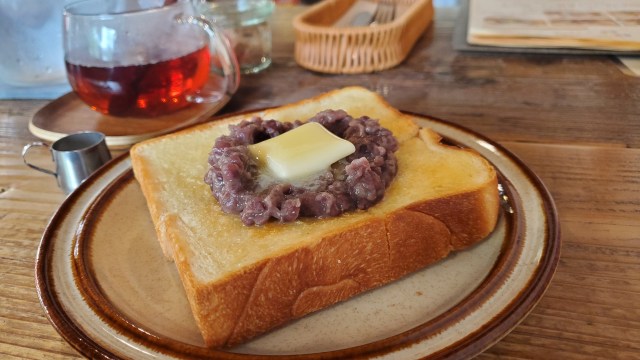
I’d planned to spend plenty of time at Iwayaji exploring and had had a ball for the couple of hours I was there. But now I was keen to head back to Kumakogen township and make the most of an early finish. There was a café just a couple of kilometres from my accommodation that had an-butter toast, one of the few remaining items on my “really want to eat” list. It proved a great place to spend the rest of the afternoon writing in my journal and doing some blogging. The blog was falling further behind, but I knew I couldn’t pass up opportunities like the previous evening of Japanese conversation. They seemed a bit surprised when I ordered cinnamon butter toast too, so I explained on the way out that I was cycling the pilgrimage and had developed quite the appetite. They were excited and pleased I’d enjoyed the toast so much, and kindly gave me a free cookie for the road.
Tonight’s hotpot dinner spread was equally amazing and my host had gone the extra mile to change up some of the side dishes for my second dinner with her. There are no photos I’m afraid, because she has a notice stuck to the wall explaining that she can’t always offer dinner so she’d appreciate photos of it not being shared on social media. A shy Japanese guy a bit younger than me called Nishida-san and apparently a foreigner running late with a sore leg were the other people staying tonight. I was a tiny bit disappointed that I wouldn’t be immersed in Japanese language like last night.
I set about trying to get Nishida-san chatting. He was from Ishikawa prefecture on the west coast near Nagano. It’s famous for gold and gold leaf apparently. We laughed about how he’d ended up walking the pilgrimage after seeing it on YouTube, and I’d seen Shikoku on TV. He too reassured me he didn’t really know much about religion but simply thought it looked like a cool adventure. He starts at about 6am every morning because he likes walking in the calm of the morning before rush hour traffic starts. I liked that idea a lot and wondered if I could start earlier.
Suddenly, a bit early than expected Julian from Georgia, USA joined us. His pack was heavy and although his knees had got sore coming down the mountain on today’s muddy route he’d declined a pick up from our host and made reasonable time. He had some Japanese language, and was a captain in the US Airforce. We ended up chatting in English for quite a while, and he told me all about his career, travels and the mix of roles he’d had. He’s been a trainer for B52 pilots and now seemed to be moving into the diplomatic space a bit more liaising with Asia. Part of his work is an online meeting in the early hours of tomorrow (!). I don’t quite know how he’s managing to juggle stuff like that and the pilgrimage. It was fascinating to hear about a life completely different from mine, and like Nishida-san he was a genuinely nice guy. In the end it was another enjoyable evening to cap off a superb day.